From Prototypes to Patient Care: Northland and Auckland Aeromedical Programme Takes Flight
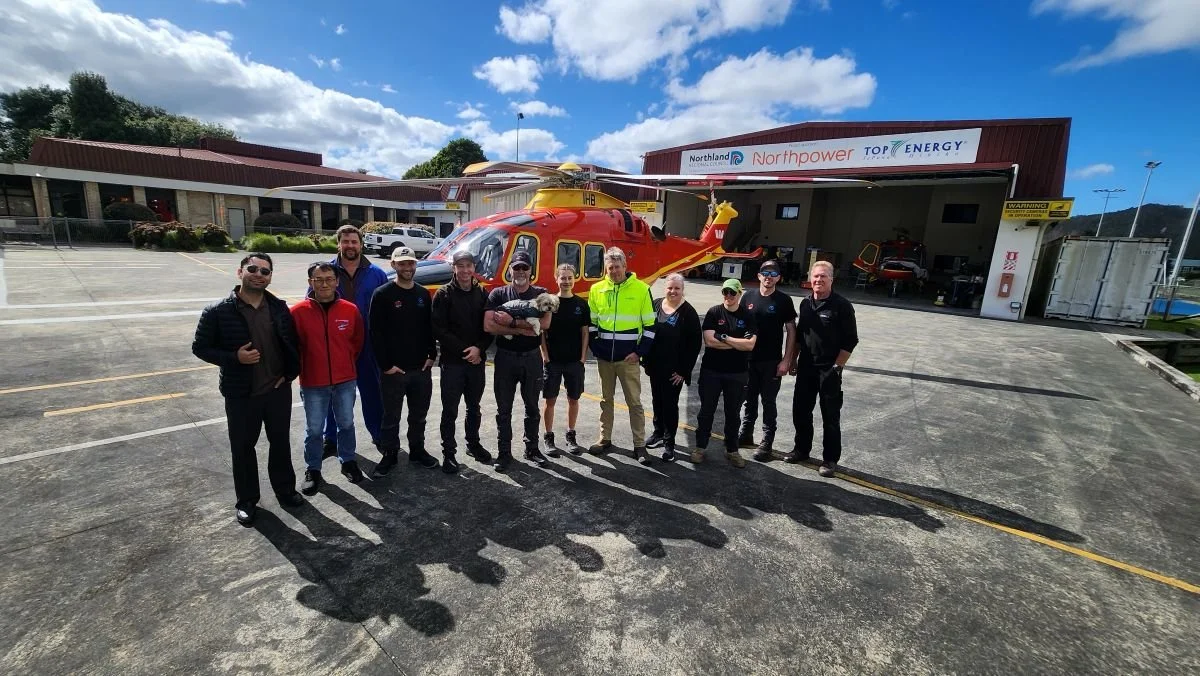
When the Flight Structures (FSL) team sees the Northland Rescue AW169 helicopters flying missions, there is always a strong sense of pride and achievement. We understand the vital work the crews and wider teams carry out across their regions, and we also know what it takes behind the scenes to get these aircraft commissioned, equipped, and operational.
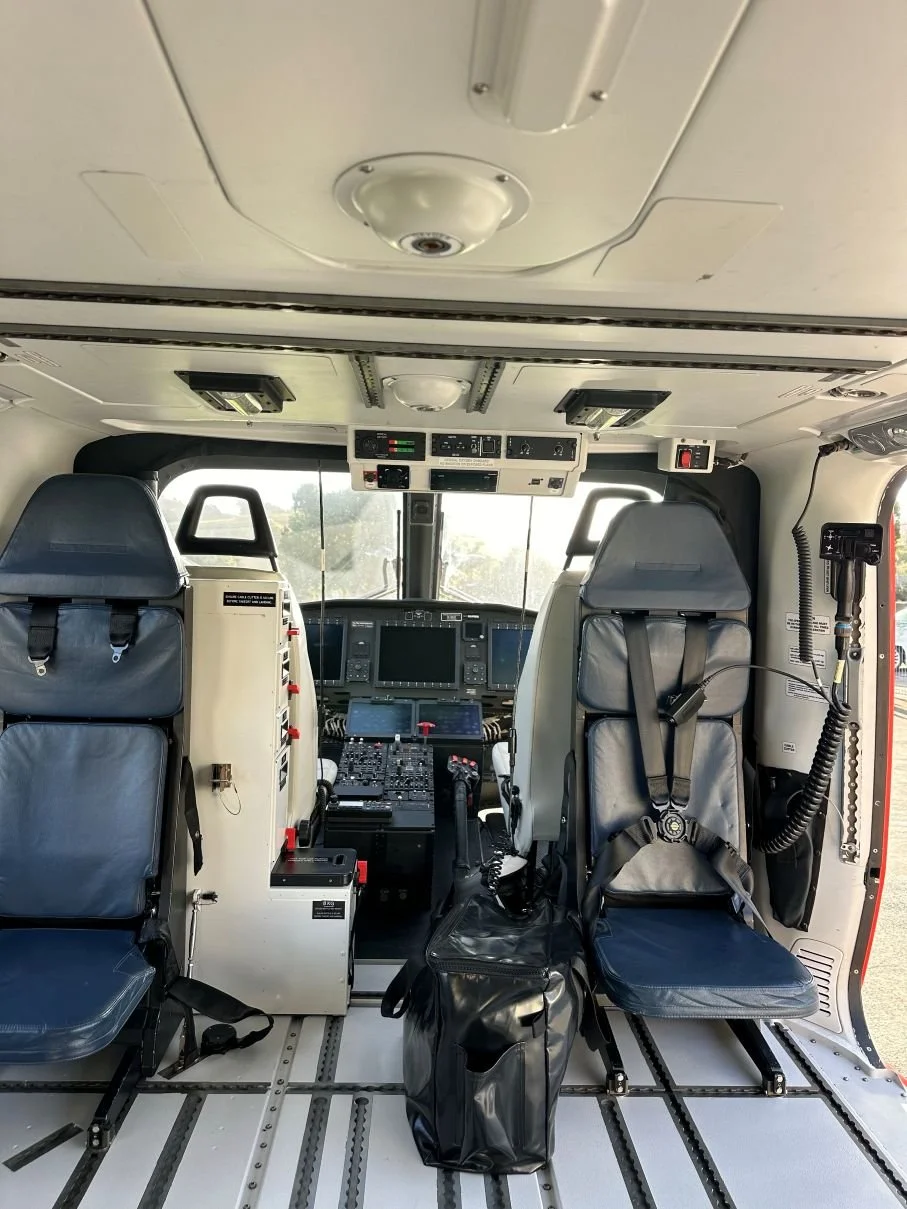
The AW169 was first introduced into the Auckland fleet in 2019 with a Flight Structures rear cabin fit-out.
Since then, three additional aircraft joined the fleet operated by Northern Rescue Helicopters Ltd (NRHL) that will replace two existing S76 aircraft and a BK117. The original RULS fit out had already proven itself in service, and the strong working relationships and accumulated aircraft knowledge allowed Flight Structures to further develop the system to meet regional requirements.
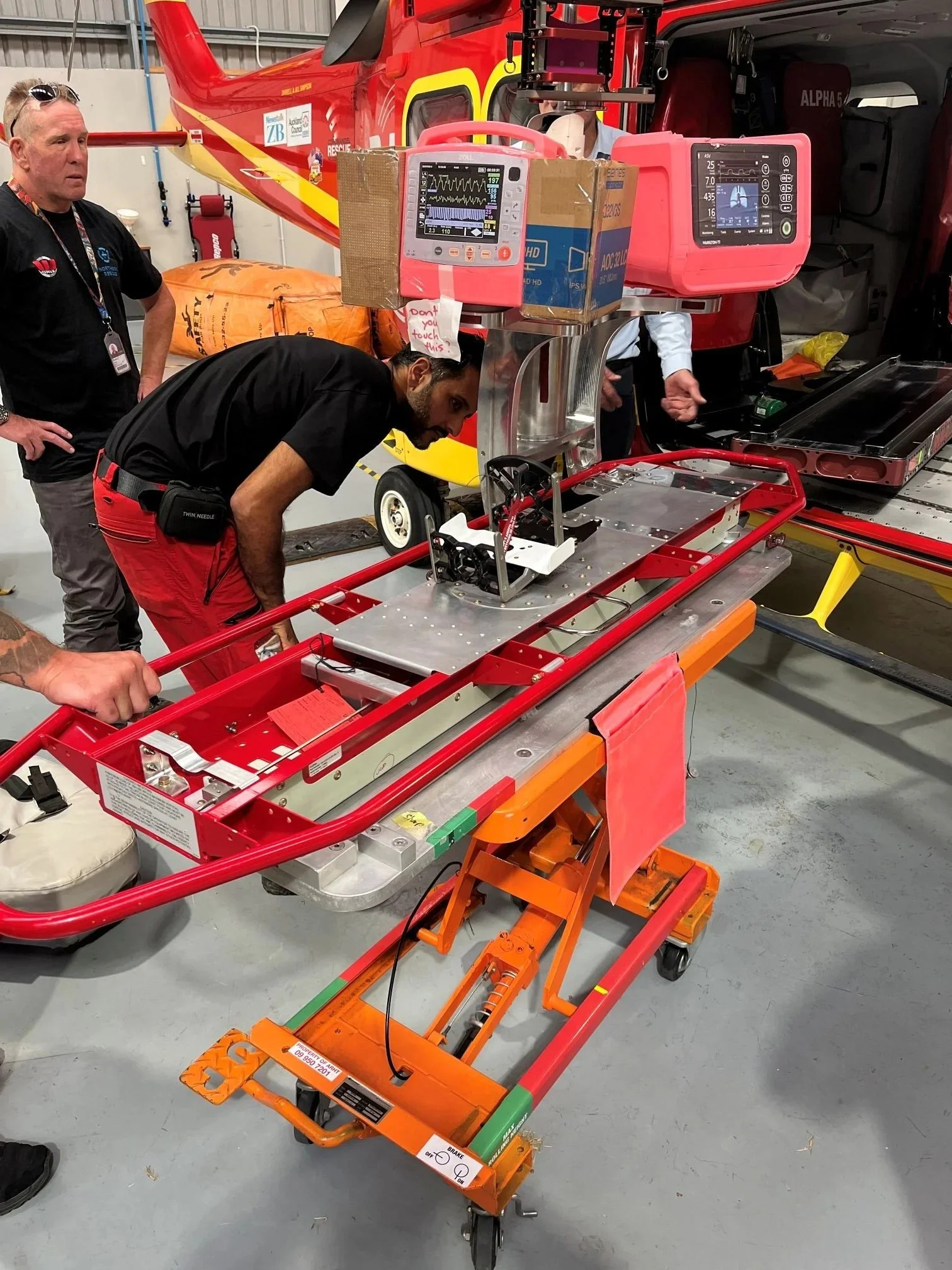
Like many successful engineering projects, this programme started with concepts, discussions, and plenty of practical problem-solving. Plywood mock-ups and 3D-printed prototypes were used to work through the details before progressing to production components, manufactured equipment, and certified aircraft modifications.
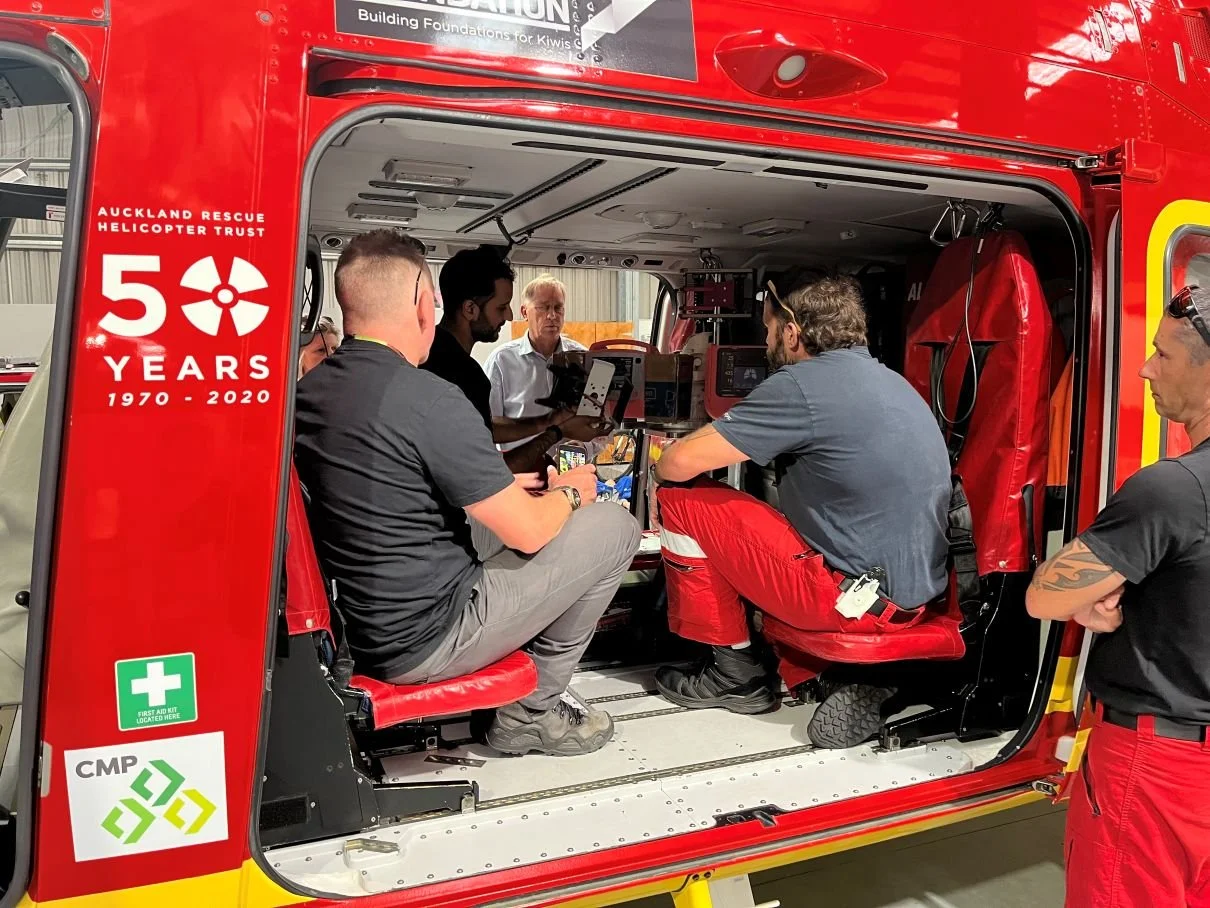
The programme has delivered a complete aeromedical equipment package, including:
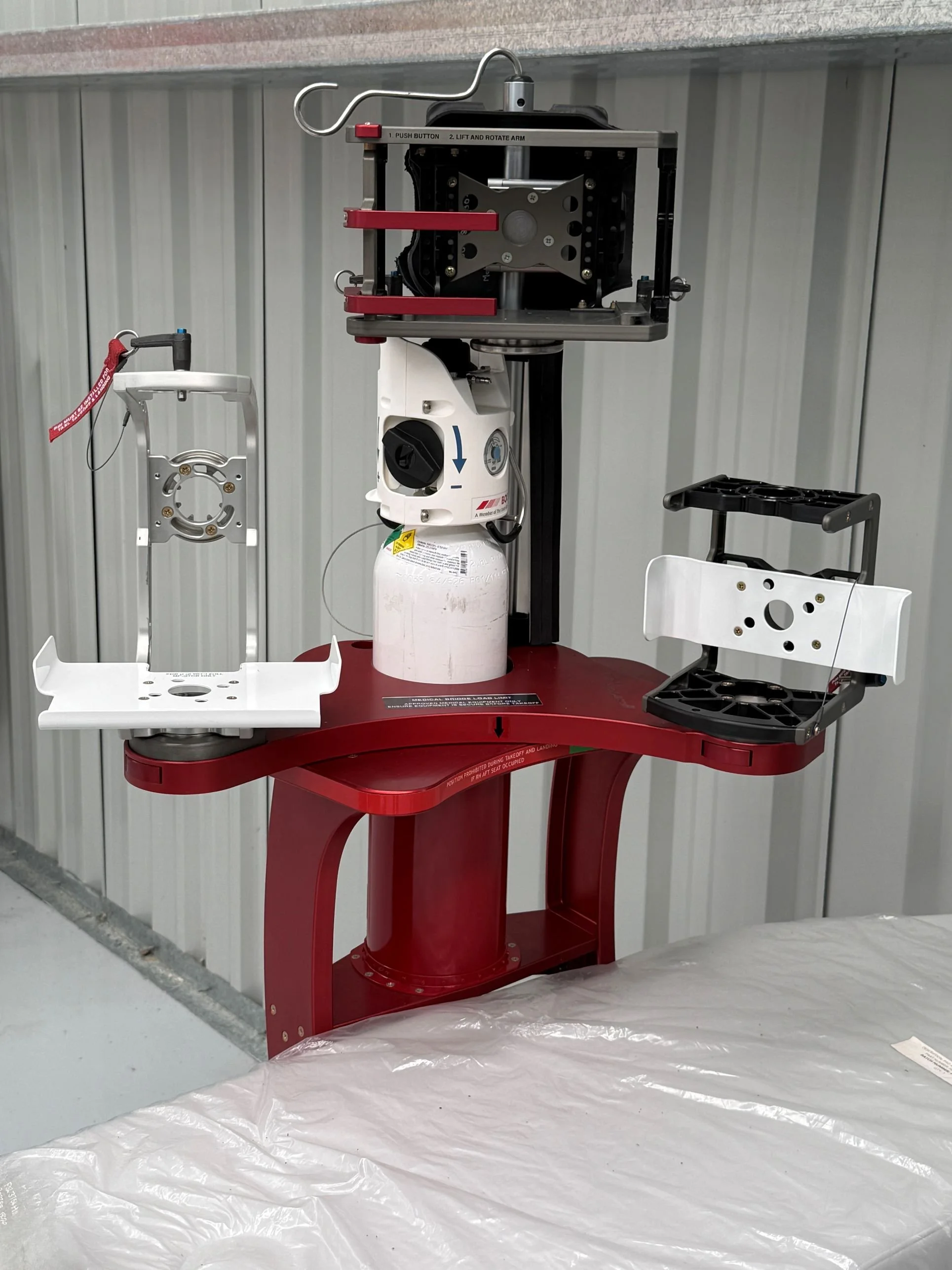
Stretcher and rotating bridge assembly
Loading and stretcher systems
Storage racks and equipment lockers
Internal trim panels to accommodate fleet communications and avionics configurations
Oxygen supply system
Engineering and certification to support cabin reconfiguration
Aeromedical projects are particularly rewarding because they bring together two very different, but equally important, requirements. Equipment must support the practical needs of patients, medical crews, and rescue operations, while also meeting the engineering, safety, and airworthiness standards required for aircraft certification.
Achieving that balance requires close collaboration, careful design, and attention to detail. It also depends on the involvement of operational crews and maintenance teams, whose practical experience helps shape the final solution. Equally important are the engineers, designers, and technicians who keep projects moving when inevitable challenges arise.
On a programme of this scale, with many moving parts and multiple stakeholders, things do not always go exactly to plan. What stands out is the commitment of everyone involved to work through those challenges and deliver the right outcome while meeting demanding timelines.
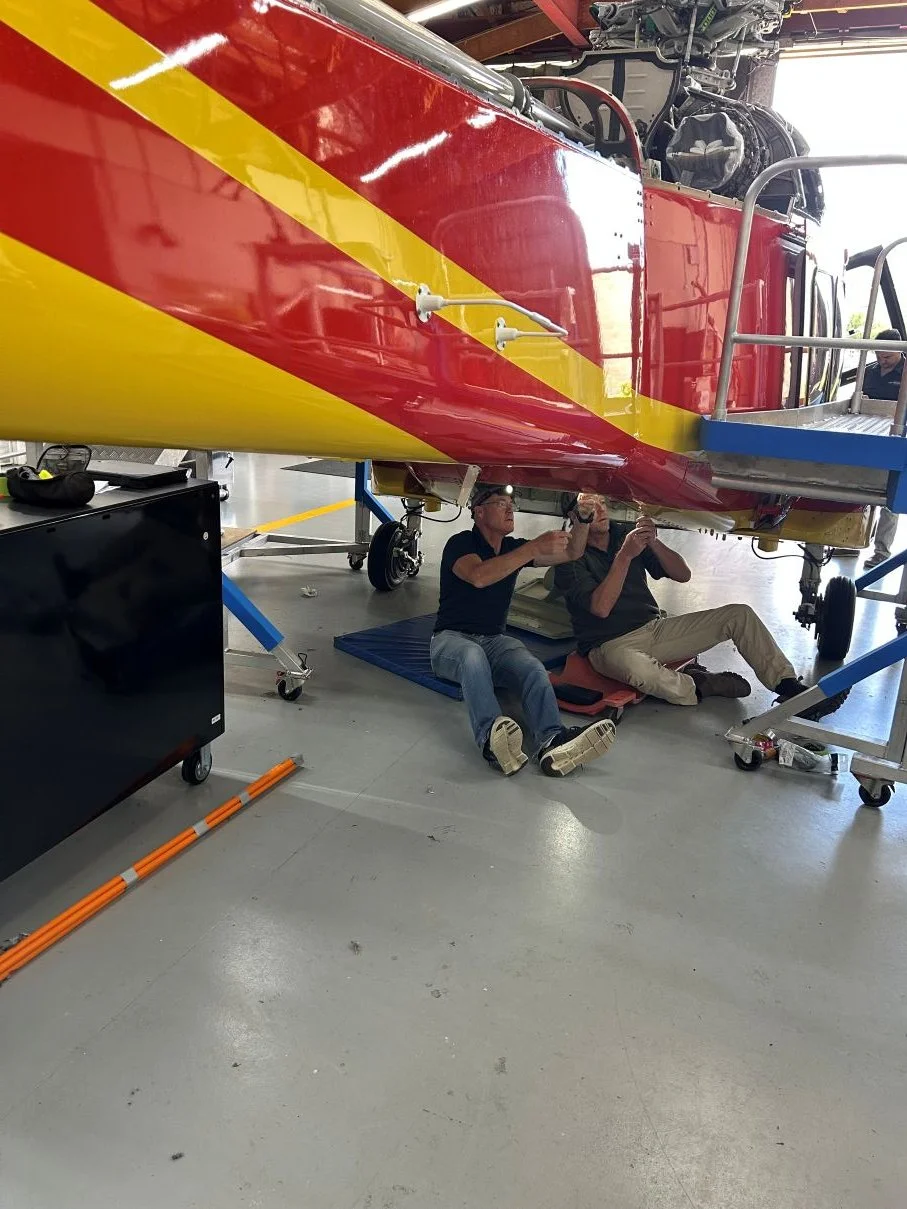
At Flight Structures alone, 27 team members have contributed across design, manufacturing, certification, and support. The programme has also taken us beyond the workshop, with numerous trips to Ardmore and Whangārei to work alongside the NRHL team on design reviews, trial fits, installations, and operational feedback.
The project has also supported a wider network of New Zealand aviation businesses. Alongside our own team, subcontractors and suppliers have contributed to areas including composite manufacturing, anodising, and component supply.
From the earliest design discussions through to manufacturing, certification, and installation support, this programme has drawn on expertise from right across Flight Structures. It is a good example of how our design, manufacturing, and certification teams work together to turn concepts into practical, operational solutions.
A big thank you to everyone at Flight Structures and Northern Rescue who has contributed to the journey.
There are far too many people to name individually, but every contribution has played an important part in delivering this capability.
We are proud to have played a role in the programme and look forward to seeing these aircraft continue supporting the important work carried out across Northland, Auckland, and the Coromandel for many years to come.