
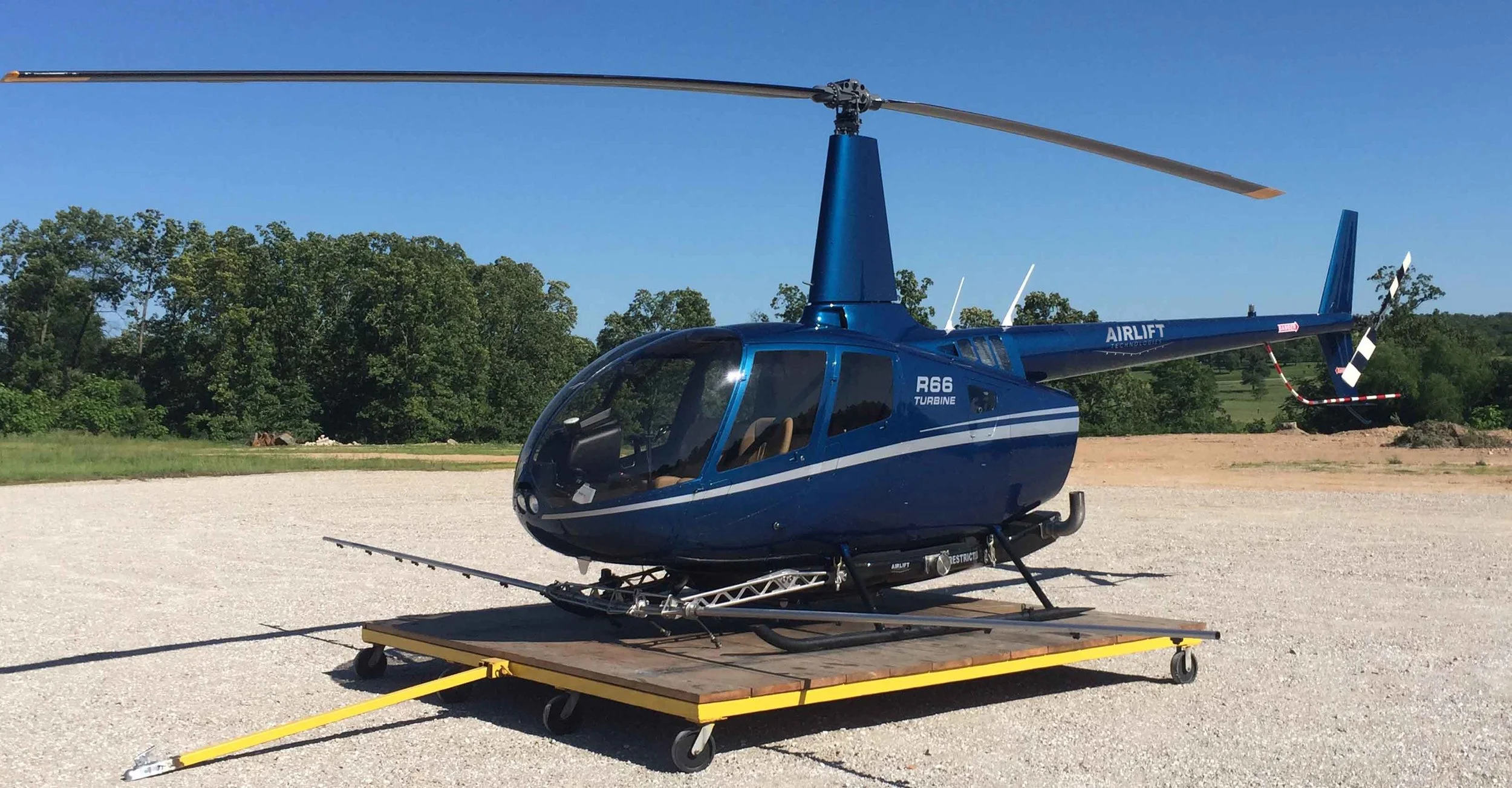
FAA and CAANZ STC FOR R66 SPRAY SYSTEM
Flight Structures has worked with Airlift Technologies to successfully gain Supplemental Type Certificates (STC) for a spray system for R66 Helicopters.
Flight Structures has worked with Airlift Technologies to successfully gain Supplemental Type Certificates (STC) for a spray system for R66 Helicopters.
What is a STC? A Type Certificate (TC) is issued when an applicant has received FAA approval to modify an aeronautical product from its original design. The STC, which incorporates by reference the related TC, approves not only the modification but also how that modification affects the original design, (from FAA Website)
Flight Structures Ltd certified the re-design of the spray system for the Robinson R66 turbine rotorcraft.
Originally certified in 2012 for use in slurry delivery, the new system has been optimized for sale as conventional spray application equipment by Airlift Technologies Ltd
Due to the recently signed bilateral agreement between NZCAA and the FAA, this system is available for purchase by operators in the US and other FAA aligned countries.
For enquiries contact airlifttechnologies.nz@gmail.com
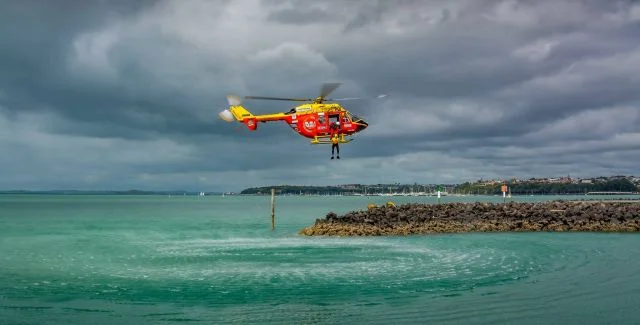
NOSE CONES FOR WESTPAC RESCUE-AUCKLAND
Flight Structures fitted two weatherproof nose cones to Westpac Rescue – Auckland for ZK-HLN & ZK-HKZ, their BK117-850 D2 Helicopters.
Flight Structures fitted two weatherproof nose cones to Westpac Rescue – Auckland for ZK-HLN & ZK-HKZ, their BK117-850 D2 Helicopters. Rescue aircraft have to work in a wide variety of conditions, and this modification ensures cockpit avionics remain dry. The modified profile accommodates the weather radar. Jon Kerr, CEO of Flight Structures commented, “We managed to supply the nose cones within a tight timeline, and worked effectively with the crew to ensure a successful installation. The end result was excellent, and the Trust are extremely happy with the performance of the nose cones."
The Auckland based Westpac Rescue Helicopter is staffed full-time by a highly experienced flight crew consisting of pilots, paramedics and crewmen, and operates 24 hours a day, 7 days a week, 365 days a year. Here is a link to their website.
HELICOPTER MEDICAL REFIT COMPLETE
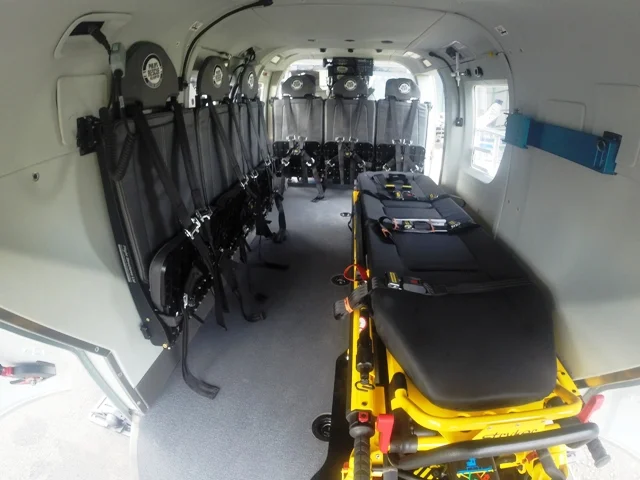
Flight Structures have completed the internal refit of a BK117 for emergency medical services (EMS).
Flight Structures have completed the internal refit of a BK117 for emergency medical services (EMS).
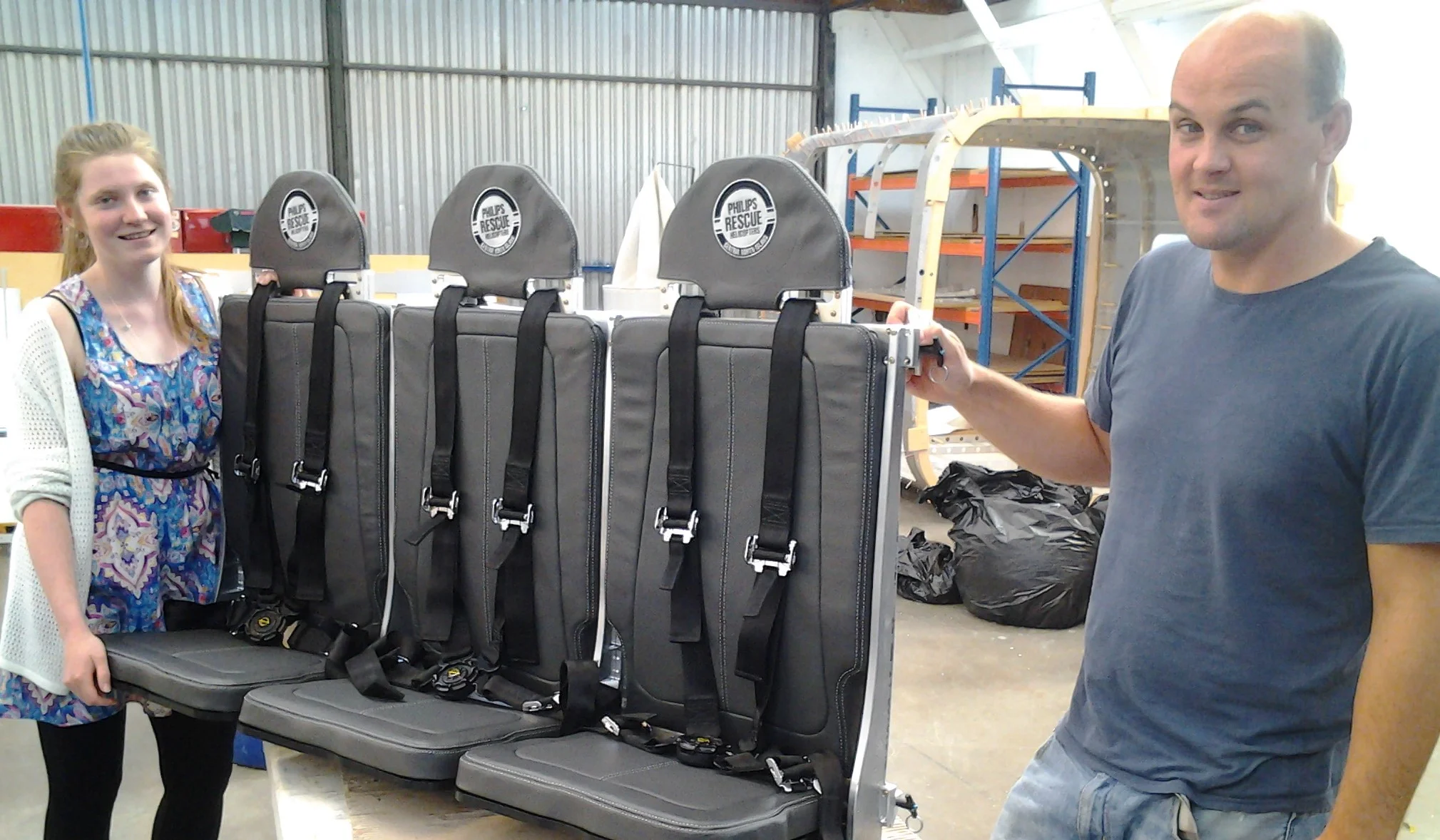
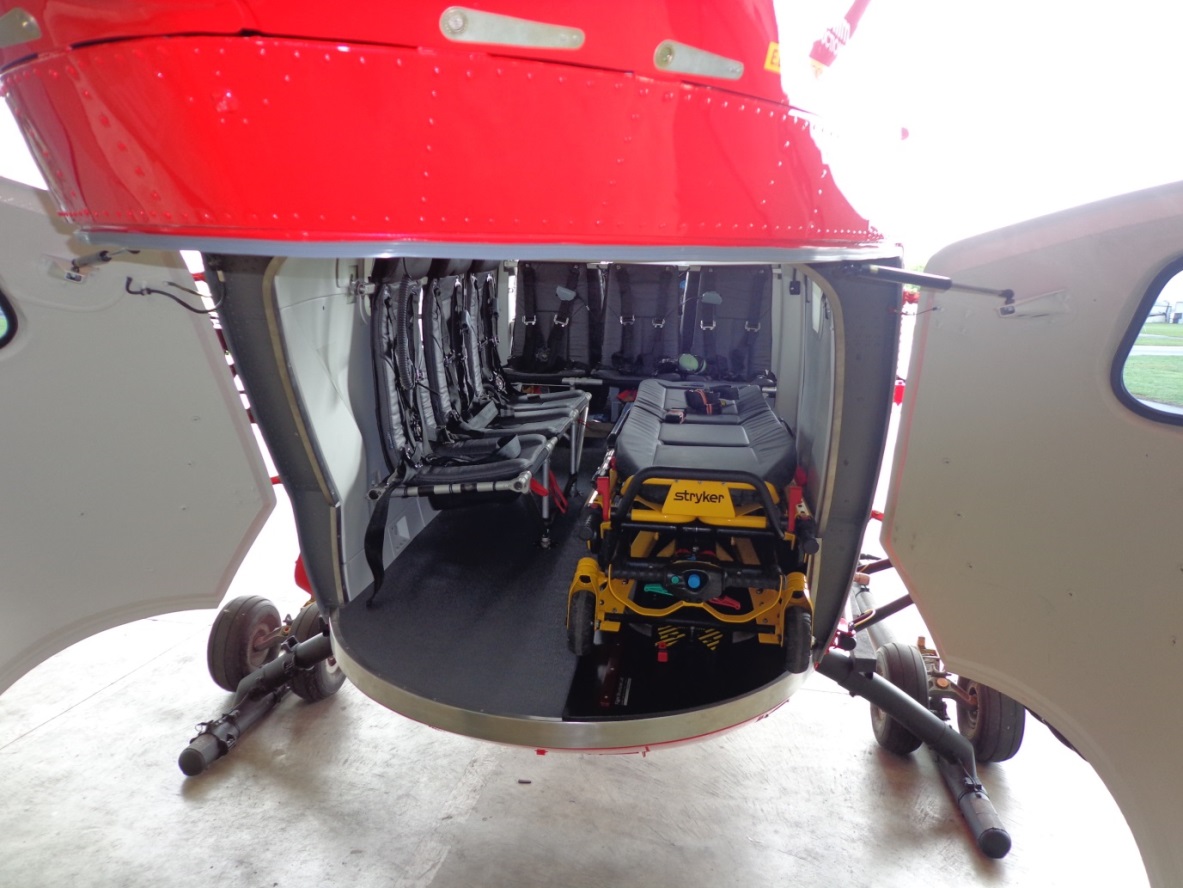
The refit consisted of the installation of a Stryker stretcher and two triple seats, medical oxygen system, and an avionics shelf. The Flight Structures cabin seats were designed to be comfortable and provide clear space under the seat base for stowage of equipment. Using space effectively is all important for EMS helicopters.
Other modifications installed include a new tail antenna mount, external LED lighting, a zoll monitor mount, a nose cone to accomodate radar and snow shoes.
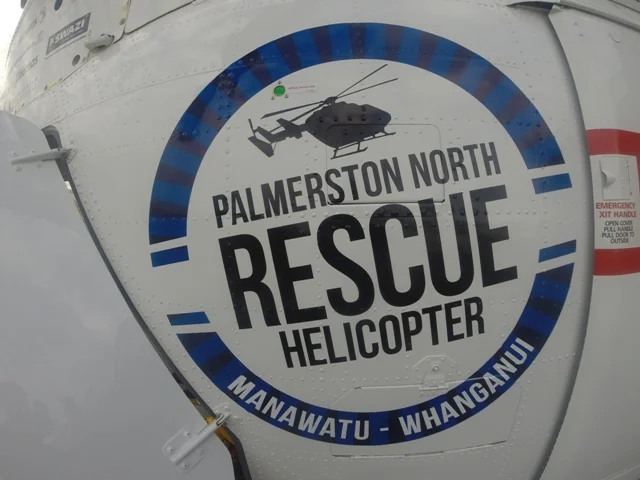
Flight Structures CEO Jon Kerr states "This was a long and complex project; we had a restrictions in space, weight, timeframe and budget to juggle. The end result is a great aircraft for the operator, Philips Search and Rescue Trust, and for the Palmerston North and Whanganui region where it will be based."
Partnering organisations with the refit were The Clevedon Aeroplane Company, Pacific Aero Coatings, Rotorcraft, Matcraft, Hamilton Aero Avionics, and TechAir.
Please see our Products section for more details about the Flight Structures modifications.
Shown in the pictures is the Stryker Stretcher system, the 6 person Cabin seating, and Flight Structures Chief Draughtsman Clyde James with ZK IPT.
Here is a link to an Engineering News Article about the refit of IPT.
Here is a link to a Philips Search and Rescue Trust Article about IPT
Giving Back to the Industry
This summer Flight Structures employed three interns to provide work experience for Mechanical Engineering students who are about to enter their final year of study.
Intern programme
This summer Flight Structures employed three interns to provide work experience for Mechanical Engineering students who are about to enter their final year of study.
This is the fifth year Flight Structures has taken on summer interns. We had a very high calibre of applicant this summer and ended up employing three, two from Canterbury University, and one from Auckland University.
Our intern programme is mutually beneficial. It provides experience in both practical and professional work for the students, and it keeps Flight Structures management in touch with the needs of current graduates. We are able to utilise their skills working alongside our senior experienced staff.
As most of our staff attended university in New Zealand it is also an opportunity for us to give back to the profession.
GARDEN CITY HELICOPTERS HEAD TO VANUATU FOR RELIEF WORK
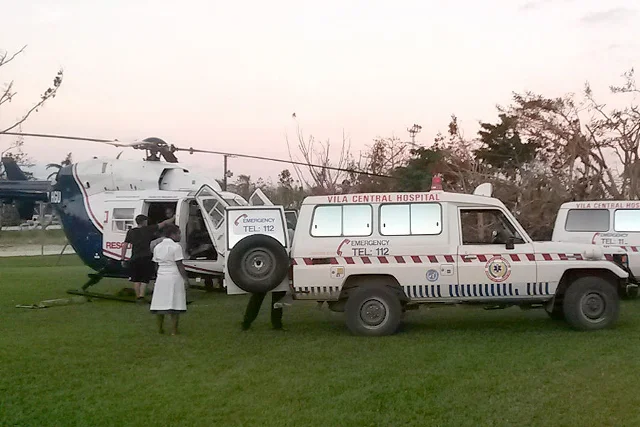
Garden City Helicopters, based in Christchurch, has sent two helicopters to Vanuatu for disaster relief, after Cyclone Pam caused widespread destruction on the islands.
Garden City Helicopters, based in Christchurch, has sent two helicopters to Vanuatu for disaster relief, after Cyclone Pam caused widespread destruction on the islands. These aircraft will be used to deliver aid, assist with medical evacuations and repairing telecommunications. Garden City already has a subsidiary company in Vanuatu, Vanuatu Helicopters, who operate an R44 and an R66.
Flight Structures was involved in the certification of the ferry fuel systems (a ferry fuel system involves an auxiliary tank being added to the aircraft to extend the range) to get the AS350 and BK117 to the islands. We had one senior engineer based in Christchurch to be on site for the install, and another being based in our office, both working with the CAA to ensure a very quick turnaround.
Click here for a link to the Garden City Helicopters website.
Flight Testing in Gore
Flight Structures Design Delegate and Senior Engineer Murray McGregor was invited to be involved with the Transport Accident Commission investigation into the Fox Glacier accident. Below is the article from the Gore Ensign on Wednesday November 5th.
Flight Structures Design Delegate and Senior Engineer Murray McGregor was invited to be involved with the Transport Accident Commission investigation into the Fox Glacier accident. Below is the article from the Gore Ensign on Wednesday November 5th.
Phoenix Aviation at Charlton is the base for a partial review of evidence relating to the 2010 crash of a Walter Fletcher aeroplane at Fox Glacier. MARGARET PHILLIPS reports.
Phoenix Aviation, at Charlton airport, is being used by the Transport Accident Investigation Commission to carry out a partial review of evidence that led to its findings regarding the 2010 crash of a Walter Fletcher aeroplane at the Fox Glacier aerodrome.
On September 4, 2010, the pilot of the plane, with eight parachutists on board, lost control during take›off from Fox Glacier aerodrome. The aeroplane crashed in a paddock adjacent to the runway, killing all nine occupants.
Commission deputy chief investigator Peter Williams, of Wellington, said the partial review of evidence was carried out at Phoenix Aviation earlier this week as the southern venue was the most suitable. Phoenix Aviation had a Walter Fletcher aircraft. The review was prompted by questions raised at the inquest, Mr Williams said. ‘‘It’s part of a number of aspects of inquiry that we’re reviewing,’’ he said. The review had been carried out this year.
‘‘There’s a lot of things to be looked at.’’
Flight Structures consultant Murray McGregor, of Hamilton, also travelled to Gore to help with the review. Mr McGregor said the object of the visit to Phoenix Aviation was to generate basic data on the flight characteristics of the Walter Fletcher. The Walter Fletcher was predominantly used as a topdressing plane, he said. The Transport Accident Investigation Commission’s findings on the accident said there were no technical defects identified that might have contributed to the accident and the aeroplane was considered controllable during the take-off roll, with the engine able to deliver power during the short flight. ‘‘The aeroplane’s centre of gravity was at least 0.122m rear of the maximum permissible limit, which created a tendency for the nose to pitch up,’’ the findings stated.
‘‘The most likely reason for the crash was the aeroplane being excessively out of balance. In addition, the aeroplane probably became airborne early and at too low an airspeed to prevent uncontrollable nose›up pitch.’’ The aeroplane reached a pitch angle that would have made it highly improbable for the unrestrained parachutists to prevent themselves sliding back towards the tail, and any shift in weight rearward would have made the aeroplane more unstable.
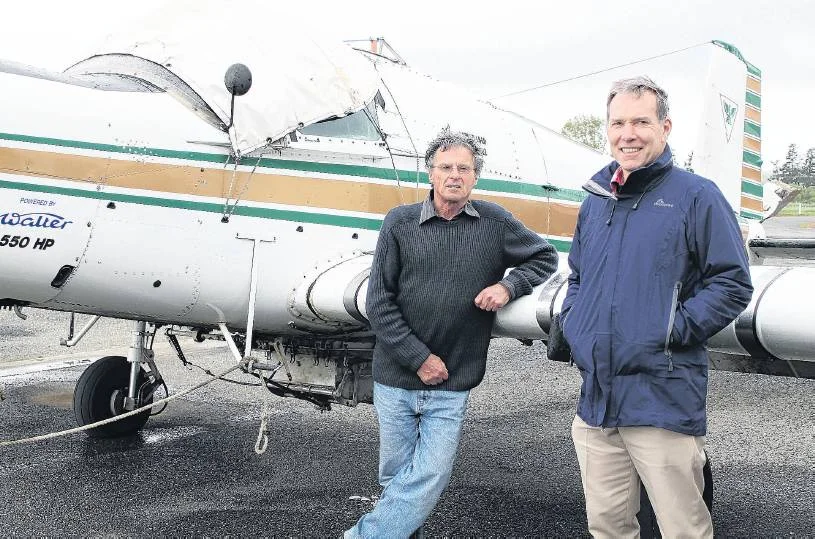
Photograph : Flight Structures consultant Murray McGregor (left), of Hamilton, and Transport Accident Investigation Commission deputy chief investigator Peter Williams, of Wellington, wait for a break in the weather at Charlton airport during their review of evidence relating to the 2010 crash of a Walter Fletcher aeroplane at Fox Glacier. PHOTO: MARGARET PHILLIPS
STC GAINED FOR MODIFICATION OF 750XL FLAP SYSTEM.
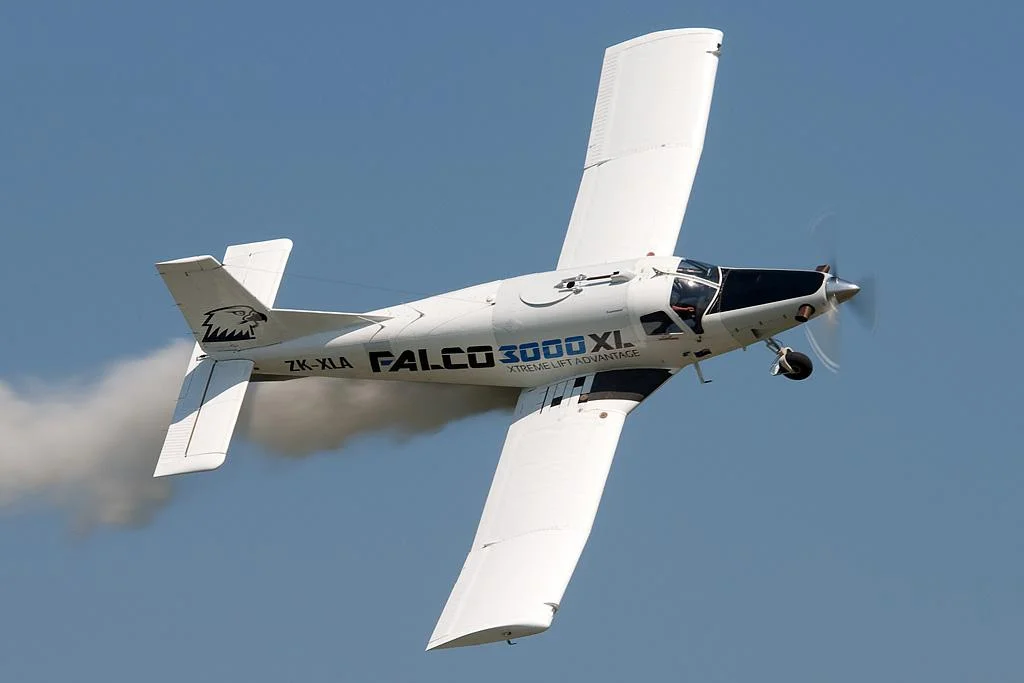
Farmers Air, one of New Zealand’s leading agricultural aircraft operators, came to Flight Structures to design a new flap system for their PAL 750XL aircraft.
Farmers Air, one of New Zealand’s leading agricultural aircraft operators, came to Flight Structures to design a new flap system for their PAL 750XL aircraft. The standard flap actuation system is electrically actuated contained under the cabin floor, which is practical for utility aircraft. However this was proving to be mechanically unreliable due to the high cycle nature of agricultural operations and maintenance intensive.
Flight Structures redesigned the flap system to be located above the cabin floor and hydraulically actuated. The flap system and hydraulic components were sourced locally in Hamilton.
Flight Structures was responsible for the design and certification of the hydraulic flap system. We worked closely with Farmers Air Personnel for design advice and Aeromotive who were responsible for embodiment.
The result of this project has been a significant improvement in aircraft reliability and reduced maintenance costs.

MEDICAL REFIT OF PSRT WESTPAC AIR AMBULANCE
In December 2013 the Prime Minister John Key launched the new Waikato Westpac Air Ambulance (BK117 B-2) at Hamilton International Airport. Flight Structures played an important role in getting this aircraft in the air.
In December 2013 the Prime Minister John Key launched the new Waikato Westpac Air Ambulance (BK117 B-2) at Hamilton International Airport. Flight Structures played an important role in getting this aircraft in the air.
The Westpac Air Ambulance is used for both medical transfer and search and rescue operations and quick change of role equipment is vital when responding to various emergency scenarios.
Philips Search and Rescue Trust, (the operator) approached Flight Structures to develop a restraint system to accommodate both the Stryker and Ferno Stretchers. The design is unique because it allows a quick (less than one minute) changeover between systems.
Flight Structures was successful in gaining approval of the stretcher restraint design by issue of a CAA STC which may be incorporated on any BK117 helicopter operating in New Zealand or Australia.
Several other modifications were involved in the refit of the aircraft including:
Stretcher interface for carriage of Neo-Natal Incubators;
Skid mounted “Snow Shoes” to allow landing on soft terrain;
Weather Radar installation;
A/C electrical power supply;
LED spotlight for night time stretcher loading.
Flight Structures partnered with TechAir (avionics suite) and Hamilton Aero Maintenance (embodiment) to ensure that the BK117 met the operational requirements of the PSRT.
This project took approximately six months and has had positive feedback from both the Trust and the medical crew.
For more information about the Philips Search and Rescue Trust please click here.

FITOUT FOR NEST SIKORSKY
In 2012 Northland Emergency Services Trust refitted ZK-IKM, one of their three Sikorsky helicopters. The fitout involved installation of two aft facing crew seats designed and manufactured by Flight Structures. The seats have a four point harness.
In 2012 Northland Emergency Services Trust refitted ZK-IKM, one of their three Sikorsky helicopters. The fitout involved installation of two aft facing crew seats designed and manufactured by Flight Structures. The seats have a four point harness.
The new seats allow the crew to rest as much as possible during long night flights, reducing fatigue.
Northland Emergency Services Trust are based in Whangarei, and provide a rescue service to Northland and beyond.
Here is a link to their website.
NEW CREW SEATS FOR PHILIPS SEARCH AND RESCUE TRUST AS350 FLEET
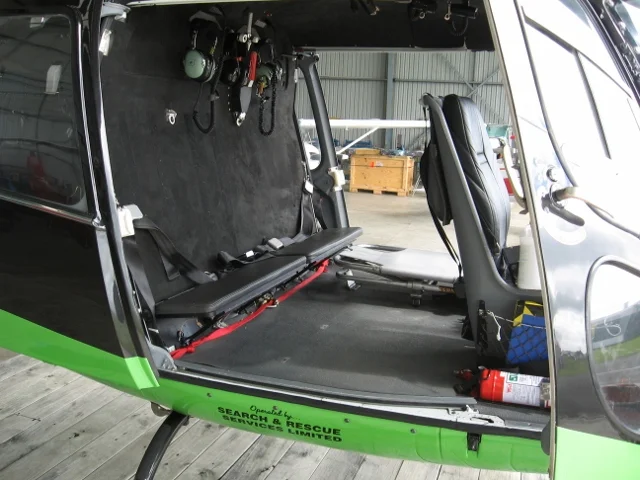
Flight Structures have successfully developed a short rear crew seat for Philips Search and Rescue Trust fleet of AS350 'Squirrel' helicopters.
Flight Structures have successfully developed a short rear crew seat for Philips Search and Rescue Trust fleet of AS350 'Squirrel' helicopters. The seat which folds up out of the way, uses existing harnesses, and can be placed at either side of the cabin. This allows a stretcher to fit in the helicopter when required. The seat was designed and manufactured by Flight Structures.
Philips Search and Rescue Trust operate 5 helicopters in the North Island, providing rescue services throughout the Waikato, Bay of Plenty and Central North Island. Here is a link to their website.